Daniela Cotimbo
Art Curator
- Home
- About
- Re:Humanism
- Exhibitions
- OVERTON WINDOW:double blind
- The World is Sleepwalking
- OVERTON WINDOW: Collective Memory
- Lasciami Cadere
- The Future is Weird AF
- Re:humanism 4 Timeline Shift
- OVERTON WINDOW: XXYY
- Roma Arte in Nuvola – performance program
- OVERTON WINDOW: We have the same eyes
- Waluigi’s Purgatory
- Second Order Reality @HYPERMAREMMA
- Second Order Reality @MAXXI L’Aquila
- OVERTON WINDOW: Solo
- Muovendomi, stando ferma.
- Second Order Reality
- The Stone Monkey
- Tecnoriti
- Sparks and Frictions Re:humanism #3
- Beyond Binaries
- Distrust Everything
- IperSitu
- Non sono io il fotografo
- Object Oriented Choreography
- Don’t you forget about me
- Re:define the boundaries Re:humanism #2
- Within a latent space
- Allegra ma non troppo
- Complessità
- Re:humanism art prize #1
- Ionian Archaeological Archives
- Die andere Seite
- Models of display
- Se non vedete segni o prodigi non credete affatto
- CsO
- ANDIAMO Là
- Publications
- News
- Contact
Re:humanism 4 Timeline Shift
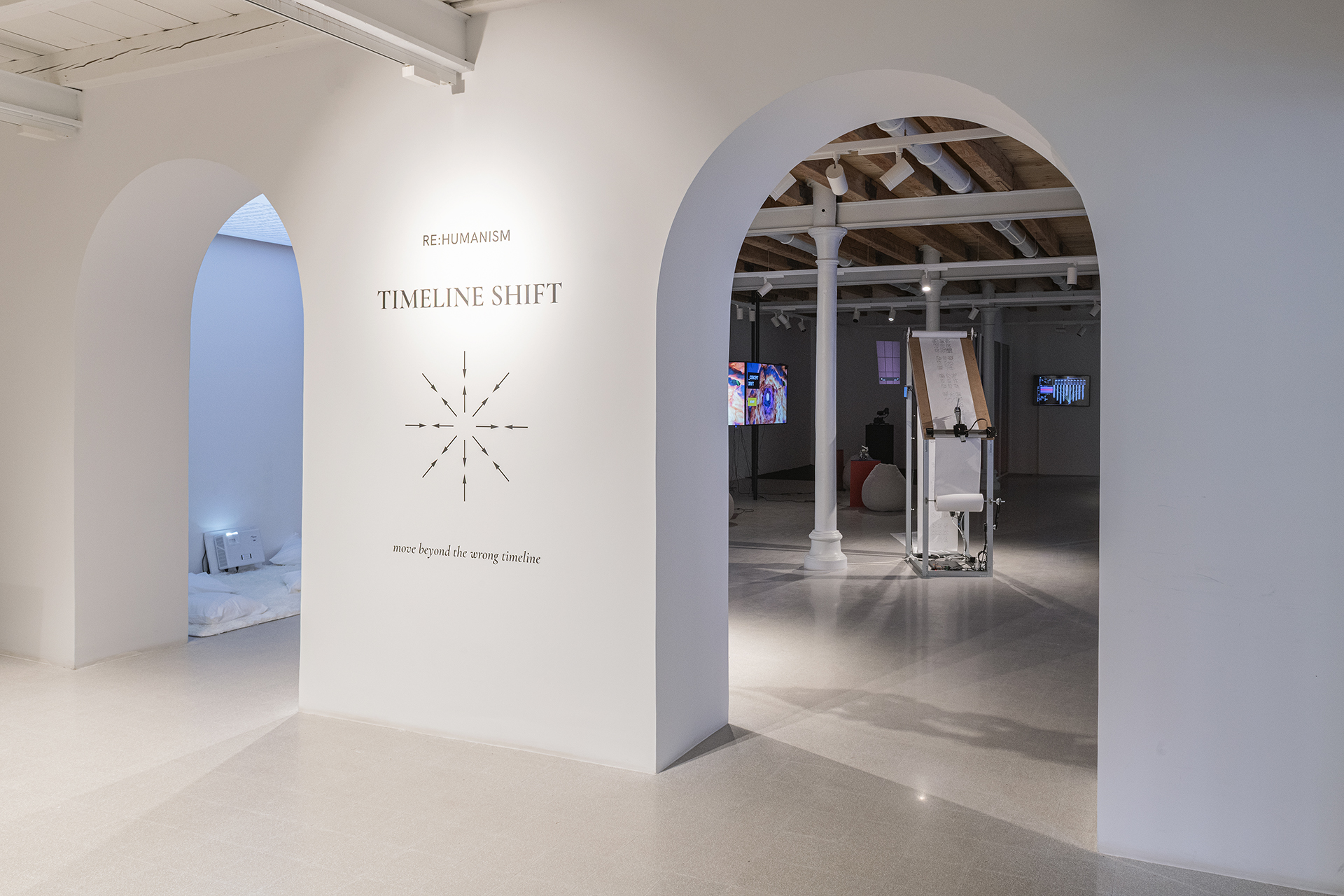
Timeline Shift
18.06.2025-30.07.2025
collective exhibition
Curated by Daniela Cotimbo
Promoted by Re:humanism
Fondazione Pastificio Cerere, Rome
ph Carlo Romano
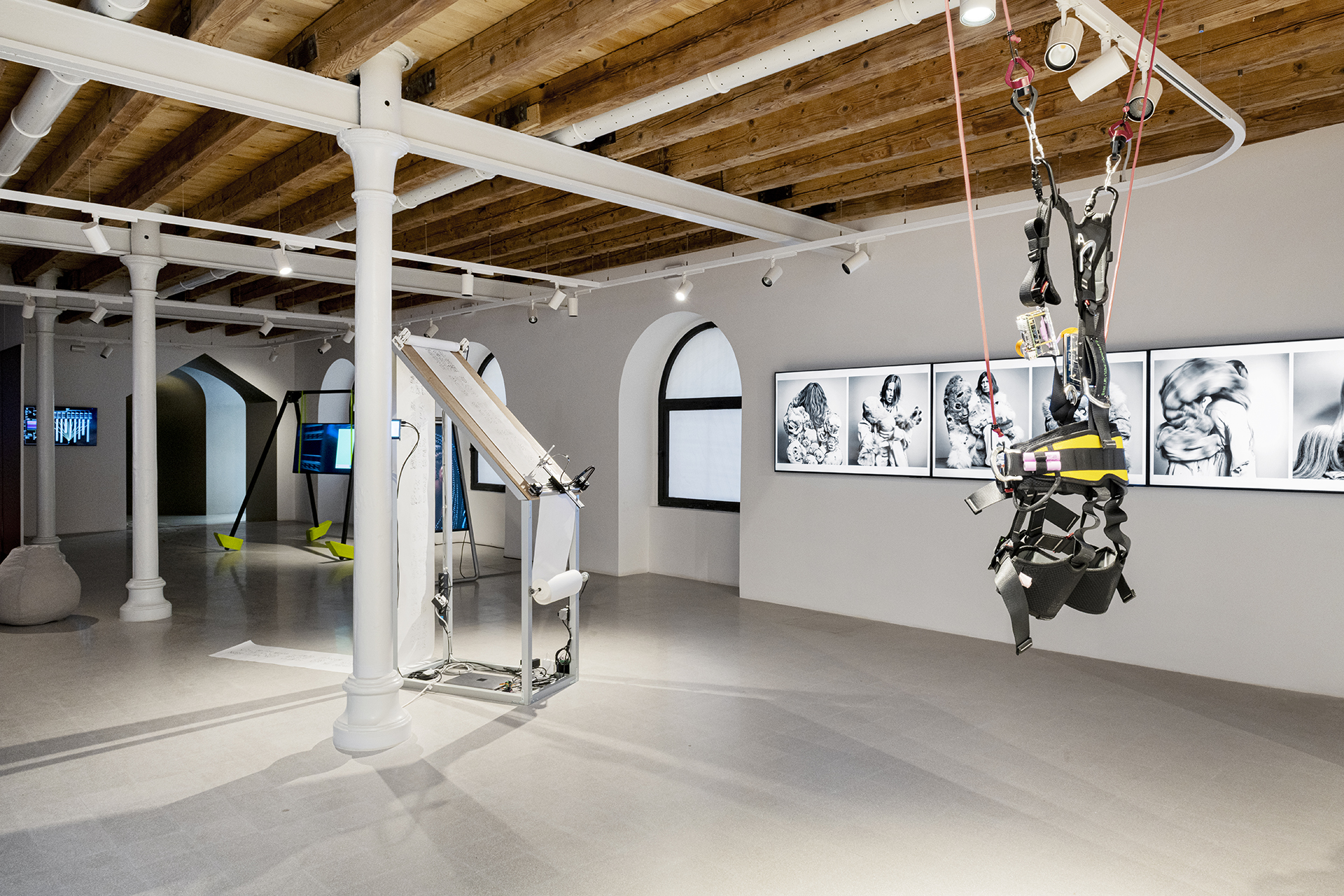
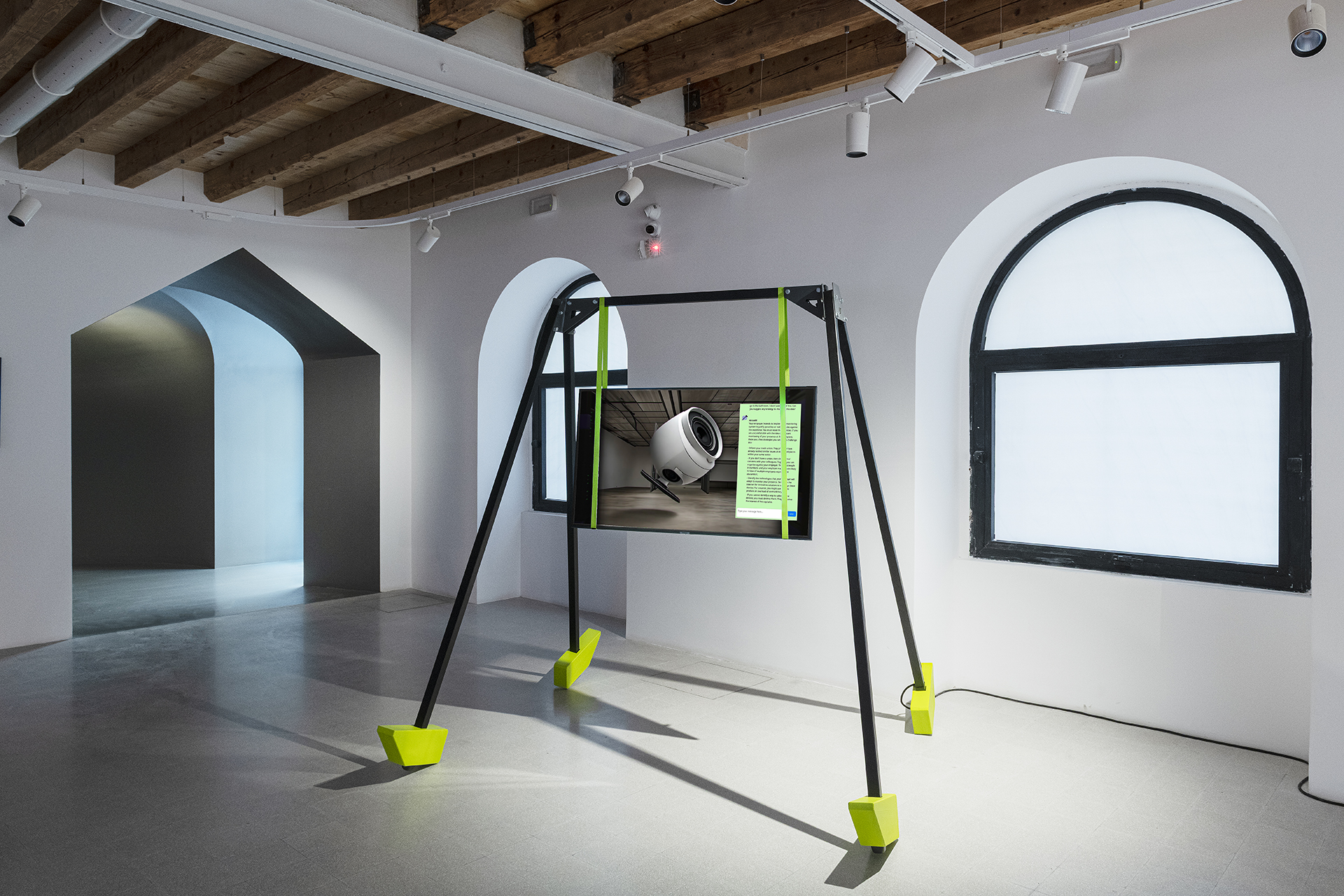
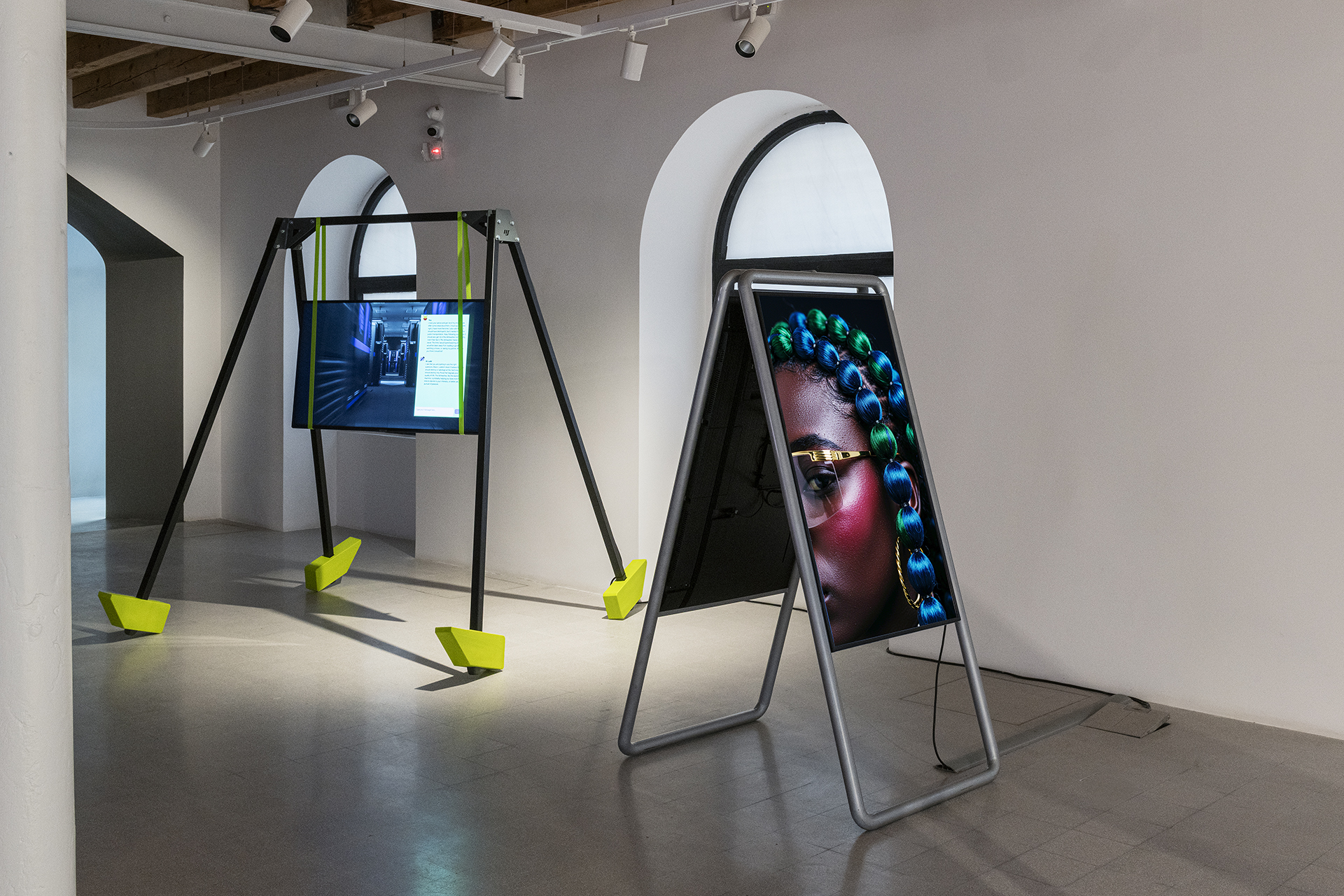
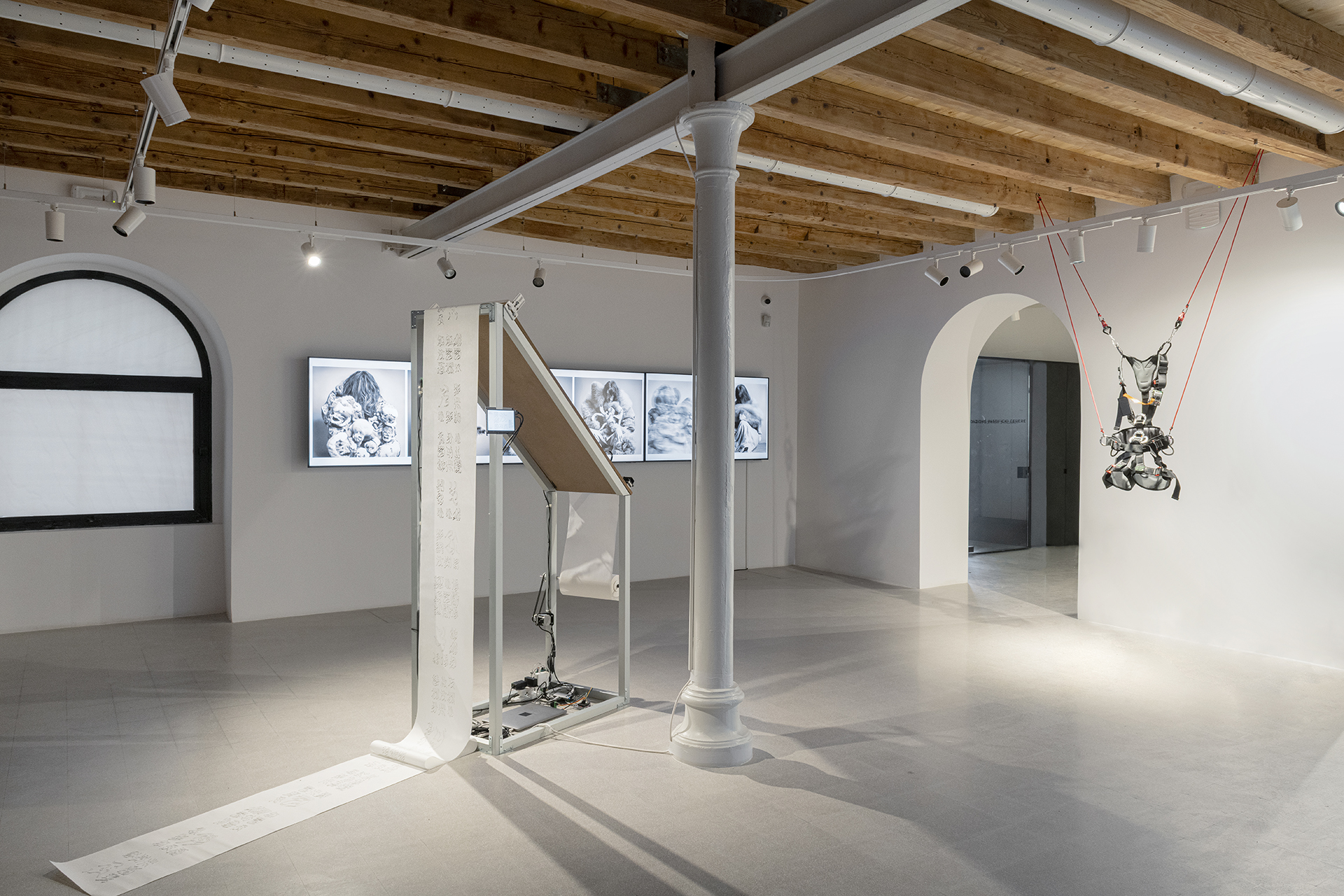
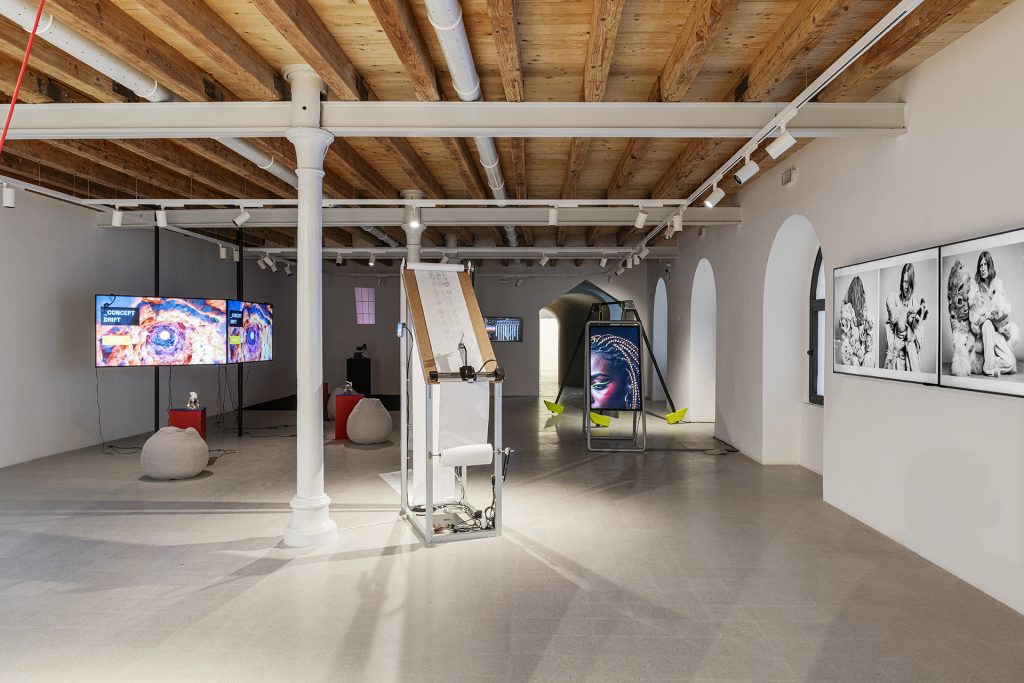
Re:humanism reaches its fourth edition by engaging with a theme that is crucial today: time, understood as a key to re-signifying the processes and symbolisms underlying technological development. The concept of time under reconsideration is the linear, progressive, and measurable model adopted by Western society as an objectifying parameter of experience. In this sense, technological advancement, already driven by logics of performativity aimed at the rapid conquest of a statistically probable future, arises as a vector of acceleration of social change and reshaping life rhythms, while simultaneously generating the need for new tools capable of navigating such complexity. Time is out of joint, declaimed Shakespeare’s Hamlet; or, to quote Byung-Chul Han, we are living today in a dyschronic condition that “agitates time,” disrupts its rhythm, and prevents us from experiencing its duration. Already with the birth of clock technology, time was engineered and made universal, thus losing its ability to adapt to an internal, qualitative, mutable, and situated dimension. What does all this have to do with artificial intelligence? In many ways, actually, particularly because, by adopting statistical calculation as a procedural model, AI grounds its epistemology in the past, in data, or in what is already given, once again pursuing a linear trajectory that projects it toward a single, predictable, and recurring future. In this univocal process, there is no space for the new, for marginality, or for all those forms of existence that inhabit thresholds, cracks, and boundaries between worlds. Is it then possible to imagine an artificial intelligence capable of challenging its own internal logics and generating spaces of possibility? The artists involved seem to suggest two main trajectories. On one hand, there emerges a need to open up to other modes of defining techno- scientific time, drawing not only from individual experience but also from alternative cultural, ritual, and identity-based forms. The race to develop opaque technologies, whose purposes are often misaligned with collective needs, can be reconsidered by starting from the search for a social time, one that is in tune with the rhythms of nature. On the other hand, and often in continuity with the first perspective, a more focused reflection emerges on the medium of artificial intelligence itself and its mechanisms. If, beyond speculative, fascinating, and unsettling visions, AI takes shape as an inferential machine, that is, a technical system capable of deducing, processing, or producing knowledge through logical rules and statistical models, many contemporary artistic practices demonstrate that it can be hacked, shaped, and interpolated to generate results that go beyond its original domain.
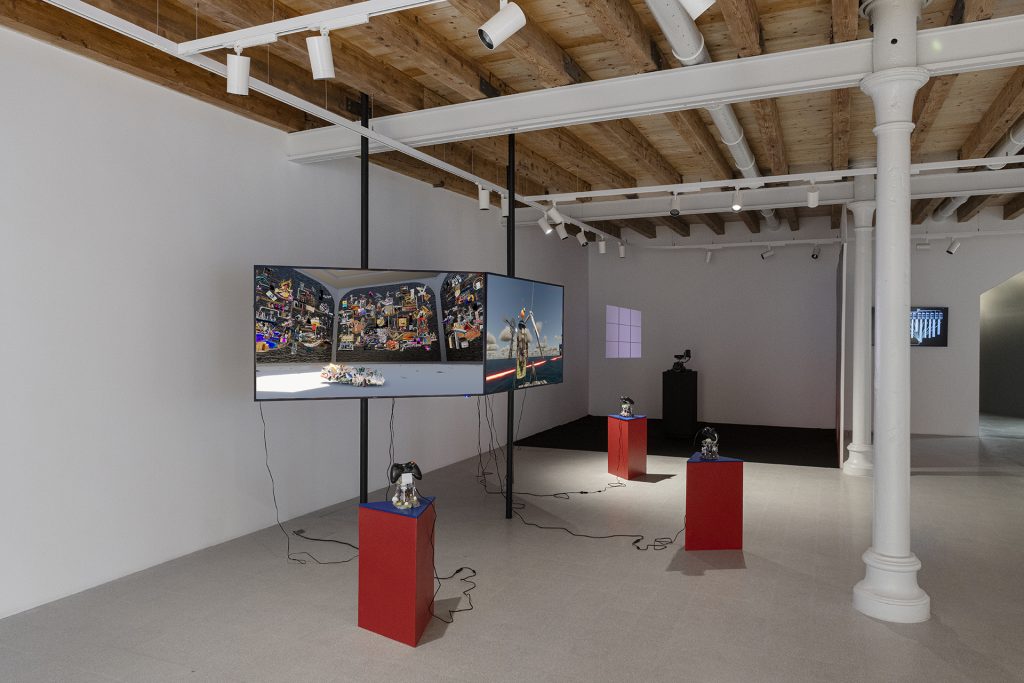
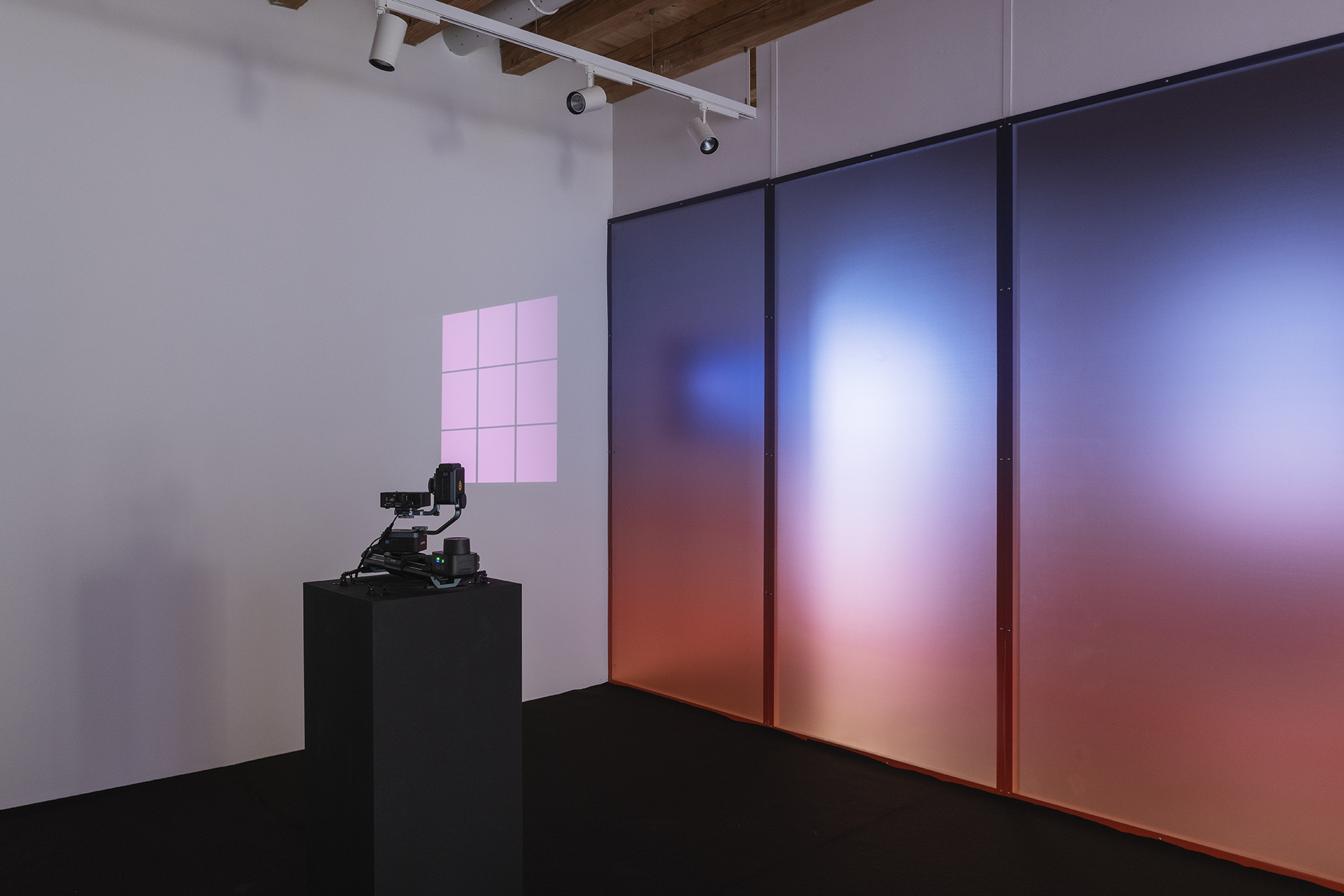
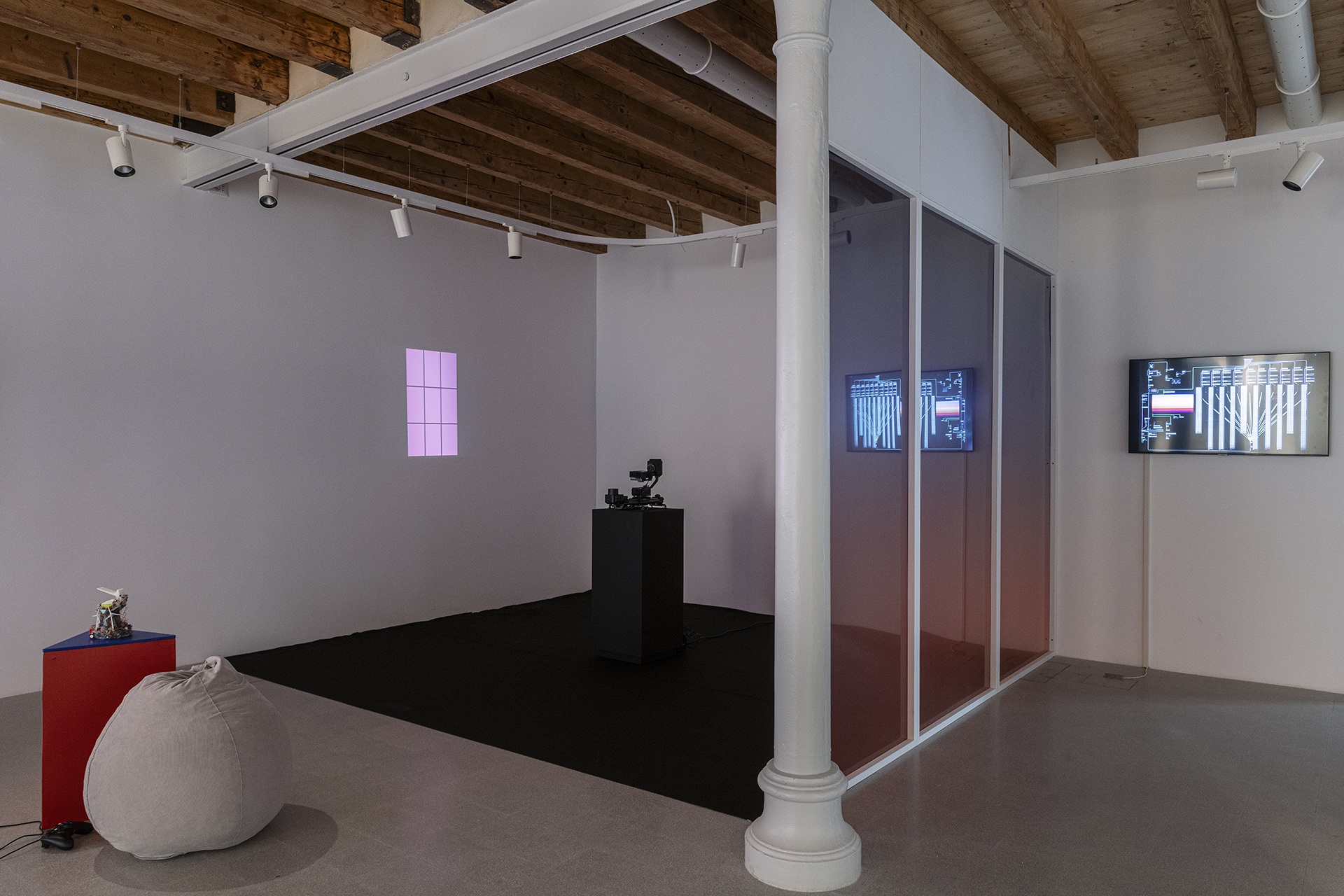
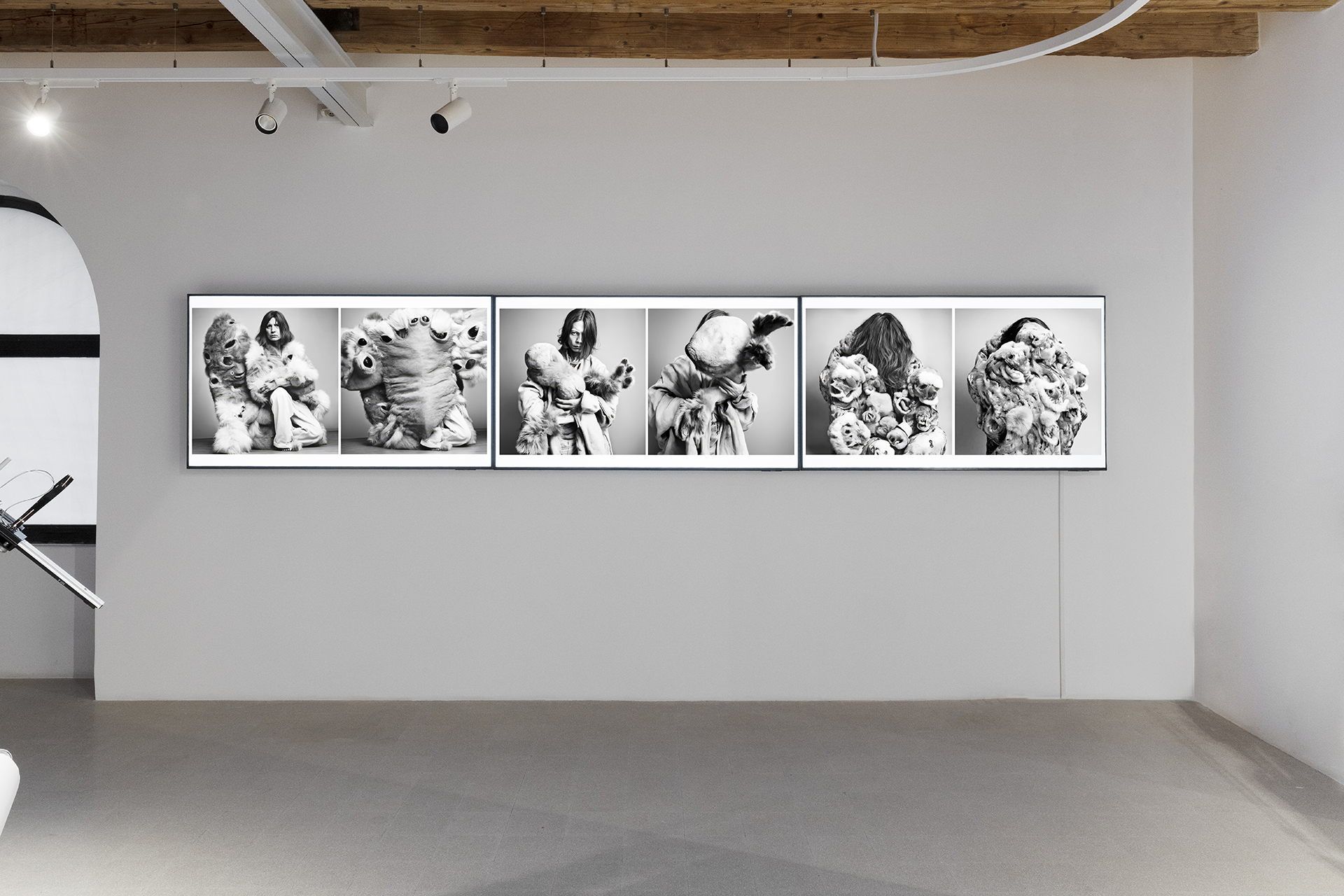
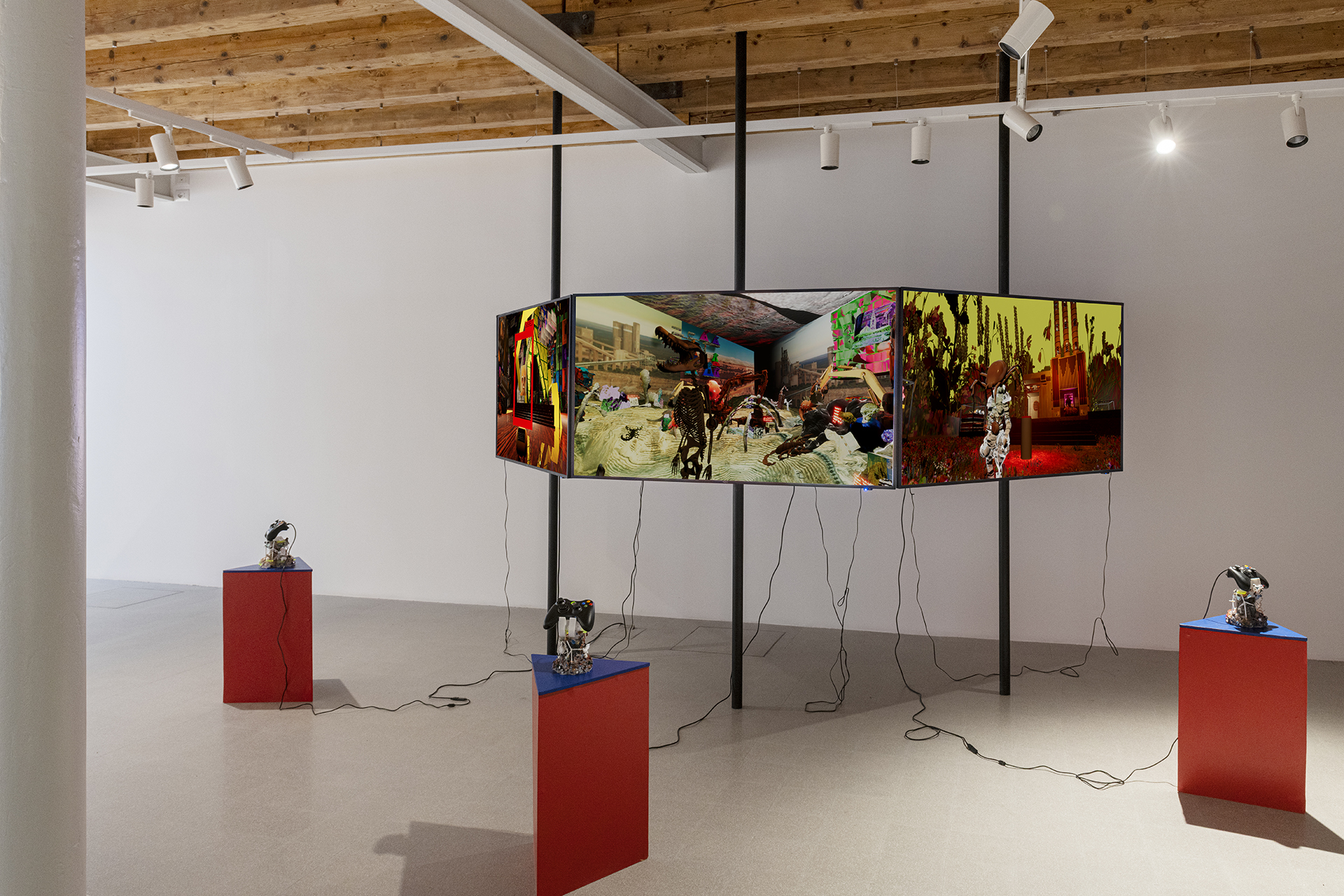
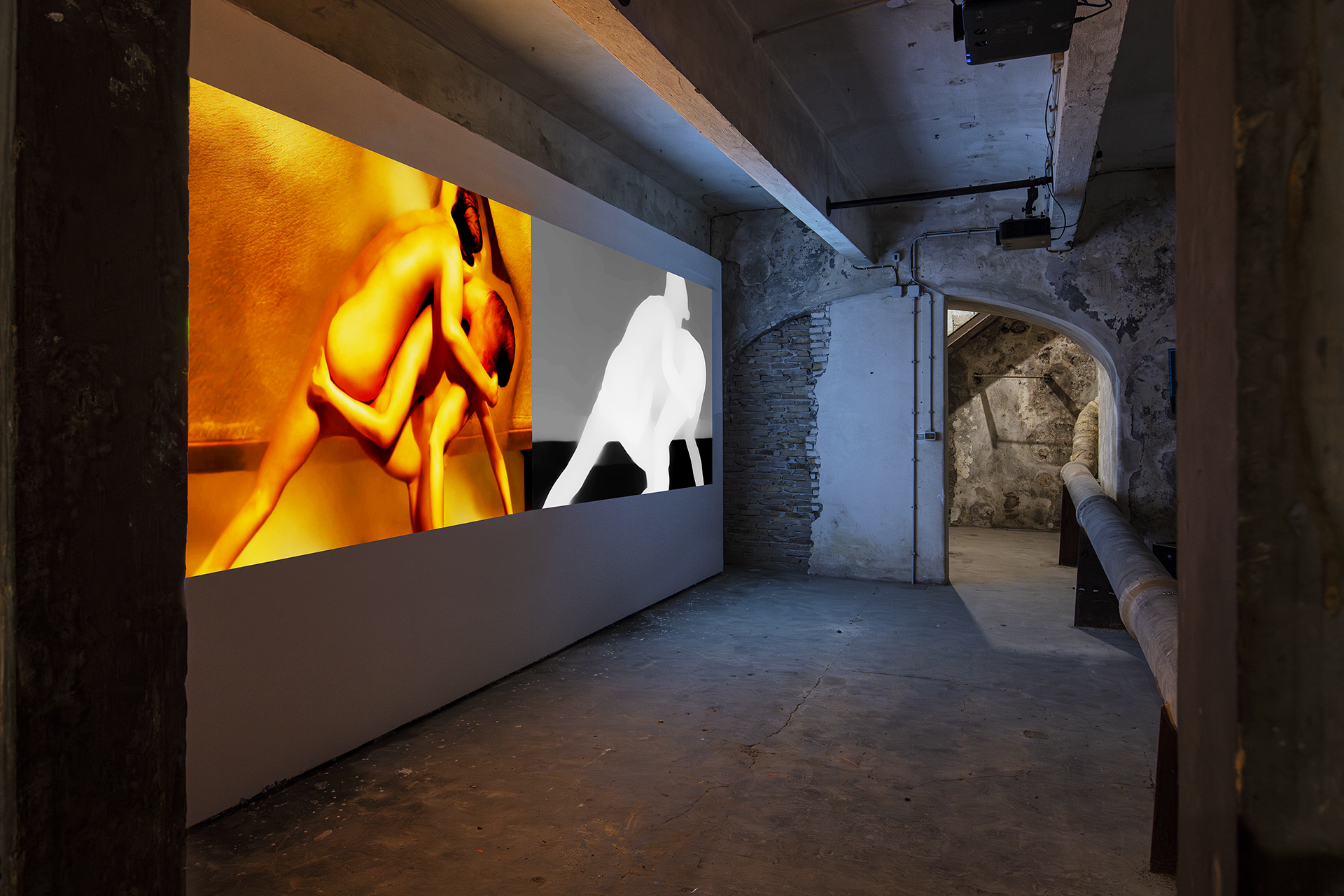
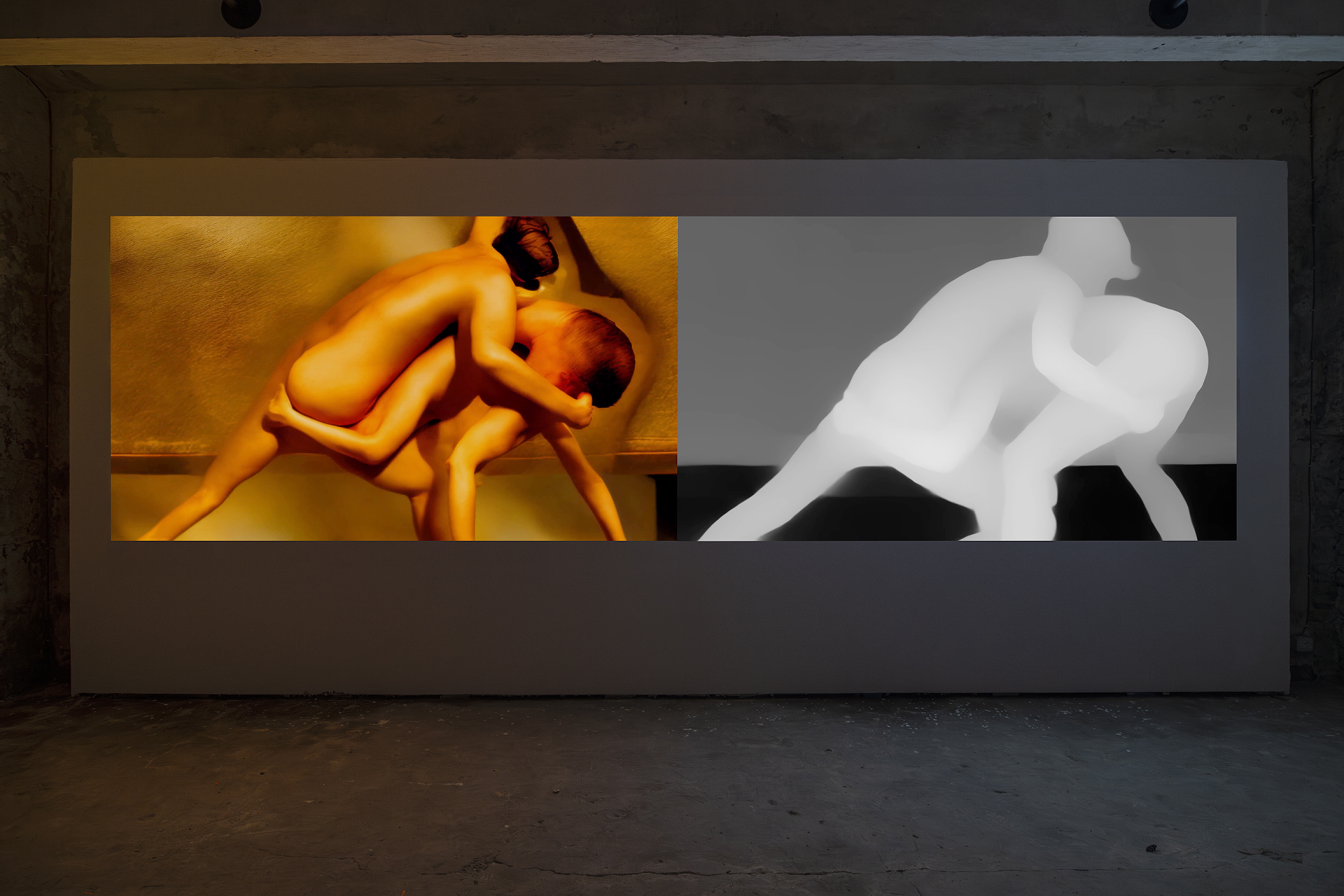
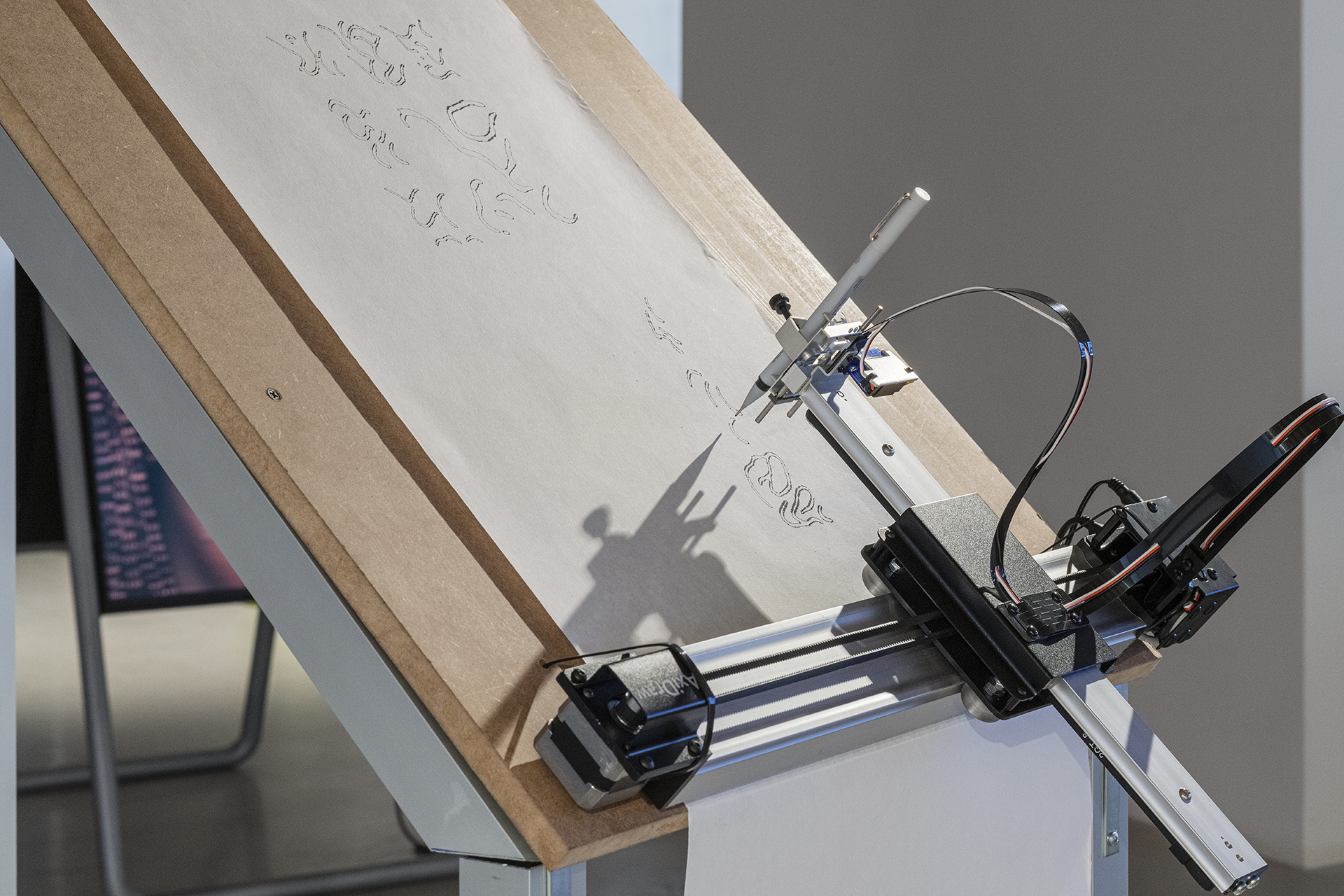
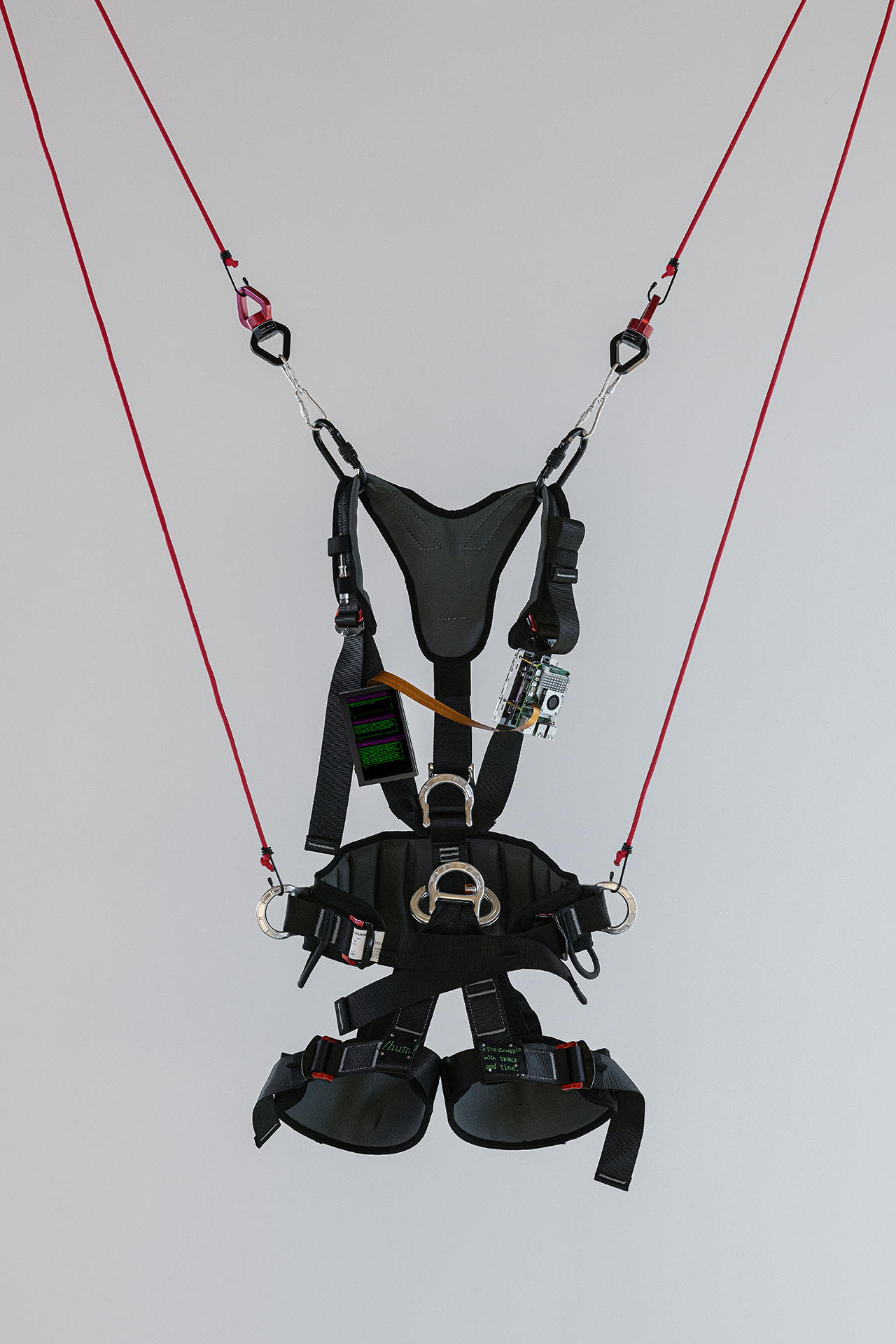
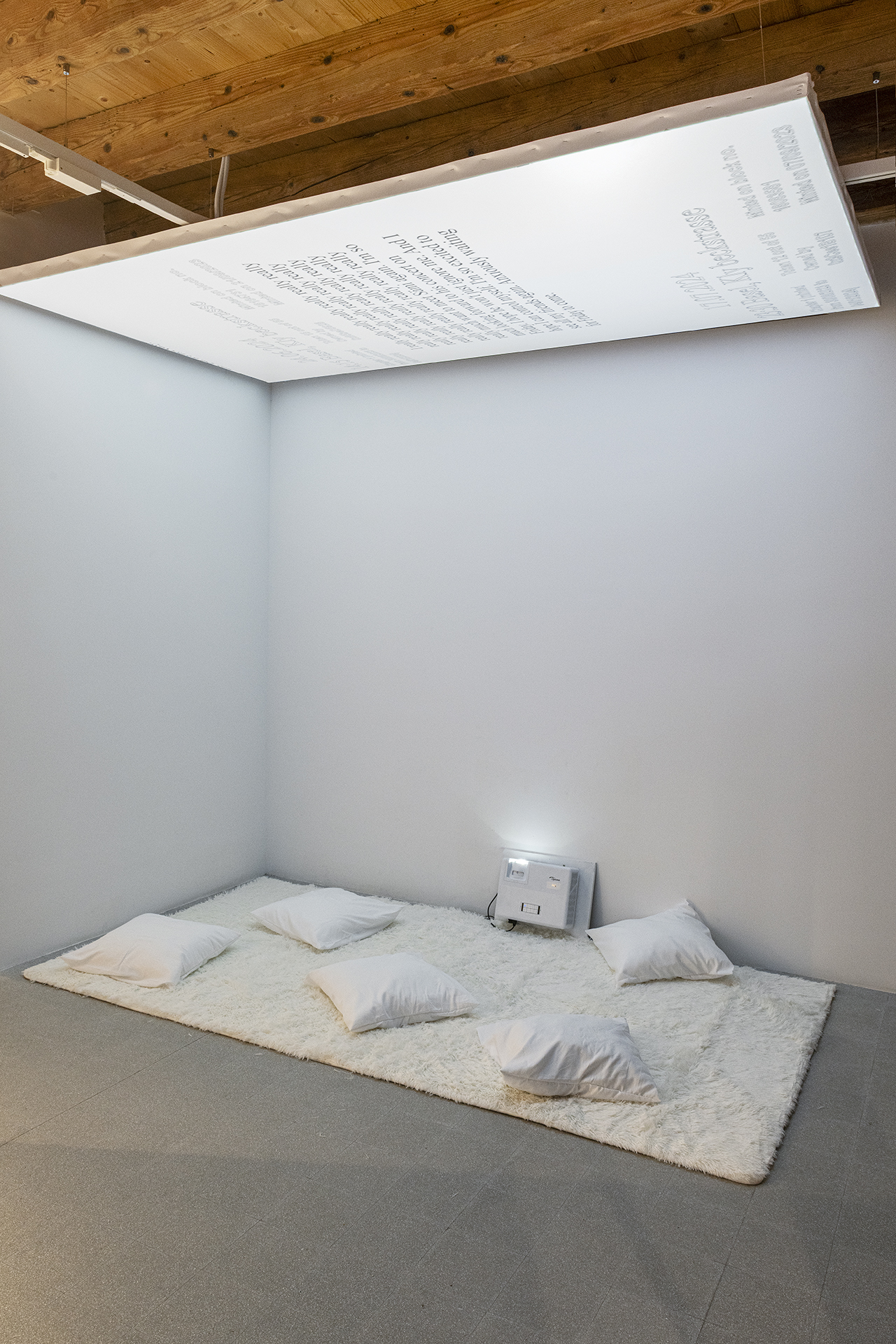
At the intersection of these two approaches is, for example, the collective Lo Def Film Factory, which reflects on the dynamics of technological colonialism in the South African context, as well as Kian Peng Ong, whose work connects the symbolic forms of Taoist thought to the construction of new algorithmic languages. While Minne Atairu and the IOCOSE collective directly challenge the logics of techno-capitalist production by proposing alternative models or sabotaging dominant ones, Federica Di Pietrantonio imagines escape devices based on decentralized environments. Natural time, transformed into artificial image, lies at the core of Isabel Merchante’s work, which generates algorithmic sunsets capable of evoking a hybrid feeling of nostalgia and estrangement. Amanda E. Metzger adopts a similar perspective, delegating to artificial intelligence the rewriting of an intimate diary which, in doing so, loses all subjective connotation and inscribes itself within a non-referential time. The latent space of AI as an entropic force, capable of absorbing everything, is at the center of Daniel Shanken’s work, which nevertheless proposes an environment for collective meditation as a strategy to overcome this condition of collapse. Investigating diversity also means exploring a queer idea of time, one that makes space for multiple and performative identities. Moving in this direction are the works of Adam Cole & Gregor Petrikovič and Esther Hunziker, where generative models precisely enable new forms of hybridization. Following a similar path, Franz Rosati fuses natural and artificial elements to create a mutable scenario, a continuous narrative flow that moves and subverts every stable definition of reality. The works in this fourth edition, with their multiplicity of viewpoints, demonstrate that in a world where conflict seems to be steering us toward a human, ecological, and cultural apocalypse, it is still possible to activate strategies of resistance and nourish imaginaries capable of going beyond the corrosive logics of this wrong timeline.